Adapting Classic Table Tactics for Handheld Devices to Unlock Tiered Rewards in Blended Sports and Reel Environments
Written by Lars Russell · Jul 10, 2026
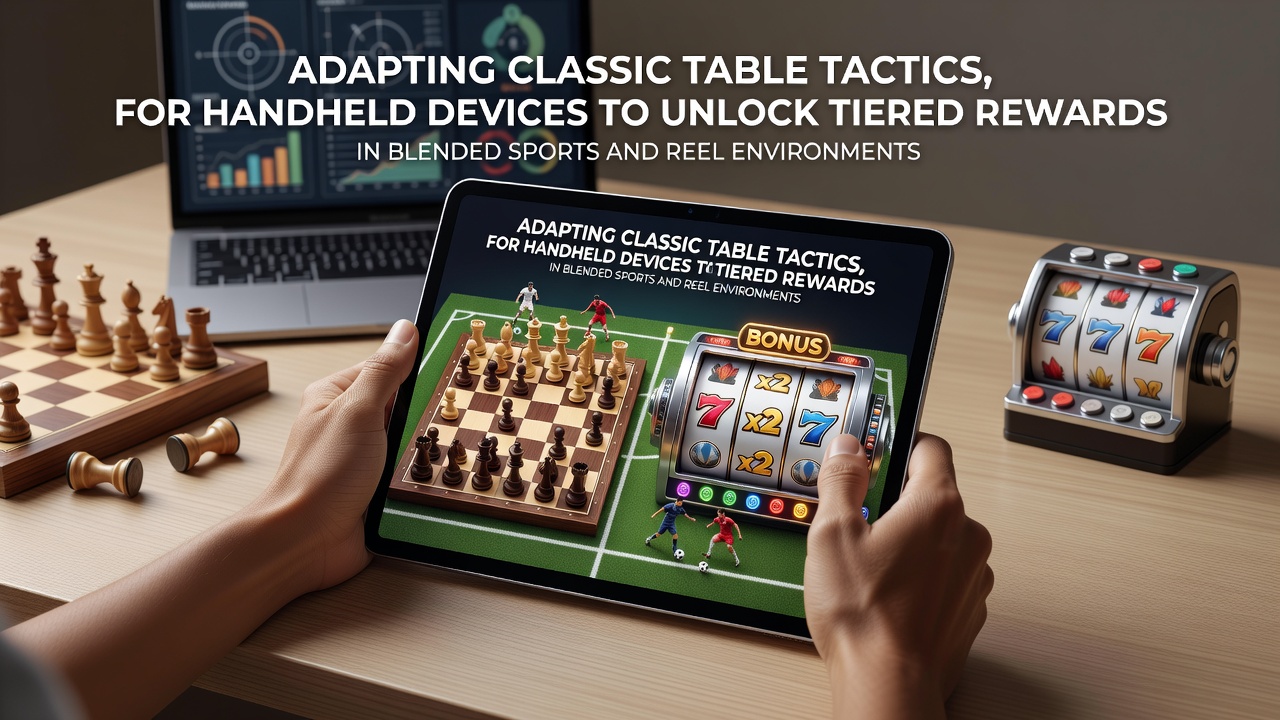
Adapting Classic Table Tactics for Handheld Devices to Unlock Tiered Rewards in Blended Sports and Reel Environments
Players who transfer classic table game approaches such as blackjack basic strategy and poker position play onto handheld platforms often see direct connections to tier advancement in systems that combine reel spins with live sports markets; data from multiple regulated markets shows these adaptations correlate with faster progression through loyalty structures when session metrics meet platform thresholds.
Core Mechanics in Hybrid Mobile Platforms
Hybrid environments merge automated reel sequences with real-time athletic wagering on the same application, and users who apply decision frameworks from traditional tables adjust their inputs across both segments to meet volume and accuracy benchmarks that platforms track for membership elevation. Research from industry reports indicates that individuals maintaining consistent win-rate patterns derived from table tactics achieve measurable differences in reward point accumulation compared with random play patterns, particularly when alternating between digital reels and in-play bets during single sessions.
July 2026 figures released by several state regulatory bodies highlight continued expansion in mobile hybrid participation, with transaction volumes rising alongside adoption of strategy-based interfaces that guide users through optimal choices in blackjack variants and sports prop markets simultaneously. Those who studied correlations between table decision accuracy and tier status note that platforms record these metrics automatically, converting them into advancement credits without separate manual claims.
Transferring Table Decision Frameworks to Portable Interfaces
Basic strategy charts for table games translate into mobile overlays that prompt users on hit-or-stand selections while the same device handles live odds for soccer or basketball events, creating a unified decision loop that platforms monitor for engagement quality. Observers note that users who follow these prompts across blended sessions record higher average session durations, which in turn align with faster verification of qualifying activity for tier upgrades according to aggregated user data from multiple operators.
Position-based poker tactics similarly adapt when applied to mobile tournament formats that run parallel to reel features, allowing participants to time aggressive or conservative actions in ways that platforms interpret as skilled play and reward through accelerated point multipliers. Studies conducted by academic research groups on digital gambling behavior have documented that such structured approaches produce statistically significant differences in reward tier attainment rates versus unstructured participation patterns.

Linking Tactical Consistency to Membership Advancement
Platforms calculate tier movement based on combined metrics that include total handle, decision accuracy in table-derived games, and frequency of cross-activity switches between reels and sports, so individuals who maintain disciplined application of classic tactics often satisfy multiple criteria within shorter timeframes. Data compiled by gaming associations across North American jurisdictions reveals that users employing these methods reach intermediate and premium tiers at rates exceeding baseline averages reported in earlier quarterly summaries.
Financial tool selections interact with these patterns because faster deposit processing on mobile applications enables uninterrupted session flow, allowing tactical sequences to continue without breaks that might otherwise dilute measured performance indicators tracked for reward purposes. Researchers examining transaction timelines alongside activity logs have identified consistent associations between seamless funding methods and sustained tier progression when users alternate between automated reel play and athletic wagering markets.
Regional Regulatory Context and Platform Implementation
Regulatory frameworks in various U.S. states and Canadian provinces require operators to maintain transparent tracking of user activity that qualifies for tier benefits, which includes verification that decisions in table-style games meet established standards before points convert to membership status. Industry organizations such as the American Gaming Association publish periodic updates on how hybrid mobile features influence these calculations, providing operators with guidelines that standardize reward delivery across blended environments.
Additional analyses from Australian regulatory sources and European research institutions further illustrate that portable device interfaces incorporating table tactics generate measurable uplift in user retention metrics that directly feed into tier structures, with July 2026 summaries indicating sustained interest in applications that reward strategic continuity across reel and sports segments. Platforms implement these findings through real-time dashboards that display progress toward next-tier thresholds based on accumulated tactical performance data.
Conclusion
Integration of classic table tactics into handheld hybrid platforms produces documented pathways to tiered rewards when users apply consistent decision models across reel and sports components, supported by regulatory reporting and industry metrics from multiple jurisdictions. Continued platform refinements scheduled through late 2026 aim to further align these tactical adaptations with automated reward systems, ensuring that tracked performance in blended sessions translates directly into membership benefits.