Correlating Deposit Methods and Loyalty Levels Among Hybrid Mobile Casino and Sports Bettors
Written by Devon Reed · Aug 23, 2026
Correlating Deposit Methods and Loyalty Levels Among Hybrid Mobile Casino and Sports Bettors
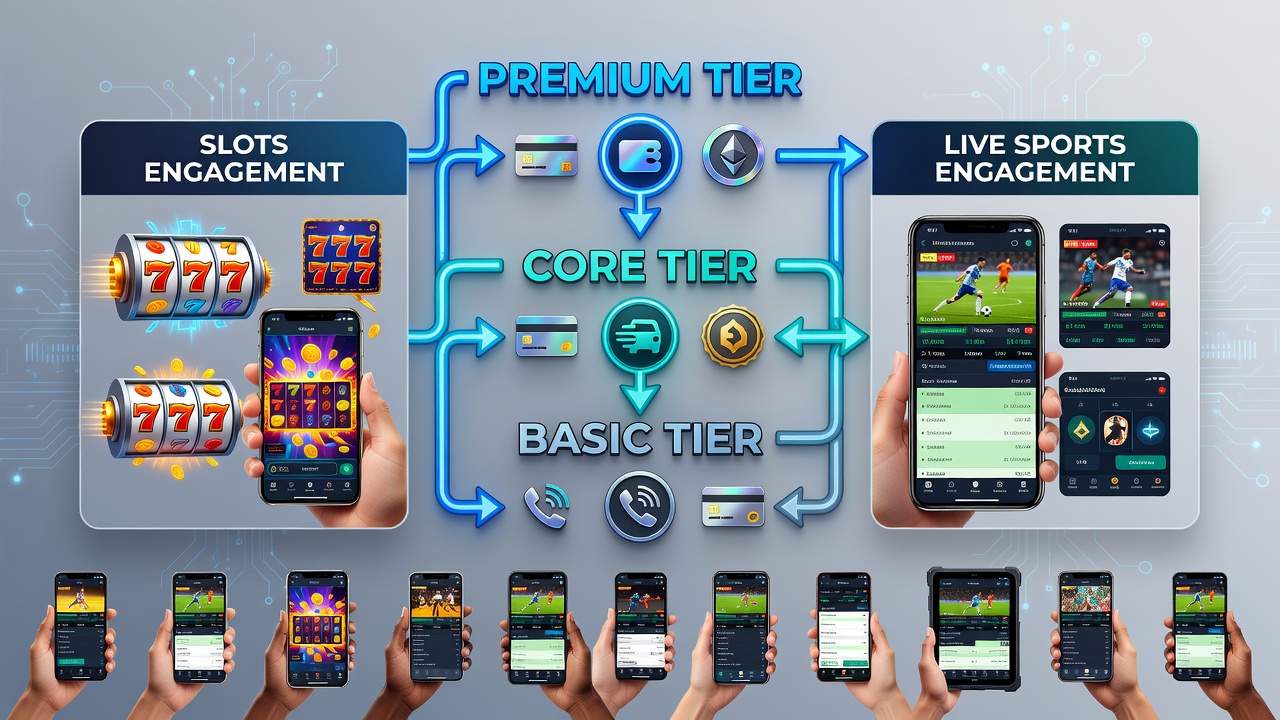
Players who combine automated reel sessions with real-time athletic wagers on handheld devices often select funding tools that match their progression through membership stages, and data from multiple regulated markets shows distinct patterns emerging by August 2026. Higher-tier accounts demonstrate increased adoption of instant-load options such as digital wallets and cryptocurrency transfers, while entry-level users continue to rely on traditional card processing for initial deposits. These alignments appear across platforms that support both slot mechanics and in-play sports markets, where transaction speed and verification requirements influence reward accumulation rates.
Payment Preferences by Membership Stage
Observers tracking user behavior note that bronze and silver members frequently initiate hybrid sessions with credit or debit card loads, which integrate directly into mobile applications without additional setup steps. Gold and platinum participants shift toward e-wallet services that enable seamless switches between digital reel spins and live soccer or basketball bets, reducing downtime during active events. Research from industry reports indicates that this transition occurs once players reach volume thresholds that unlock expedited processing and lower fees, creating measurable differences in session continuity.
Those who study these systems find that cryptocurrency funding gains traction among diamond-level accounts, particularly when users alternate between high-frequency slot play and extended sports wagering periods on the same device. Transaction logs reveal faster confirmation times for crypto deposits, which align with teh benefit structures available at advanced tiers including enhanced cashback percentages on combined activity. Regulatory filings from North American jurisdictions document these shifts without attributing causation to any single factor, instead highlighting correlations between tier advancement and tool selection.
Mobile Interface Influences on Tool Selection
Handheld platforms present unified interfaces that display available funding methods alongside membership dashboards, and users at different stages interact with these displays in patterned ways. Data compiled through August 2026 shows that mid-tier players experiment with multiple tools within single sessions, moving from card-based entries to wallet transfers when pursuing simultaneous slot sequences and live event odds. Application analytics indicate reduced friction for higher-tier accounts, where pre-approved methods appear automatically based on prior activity logs.
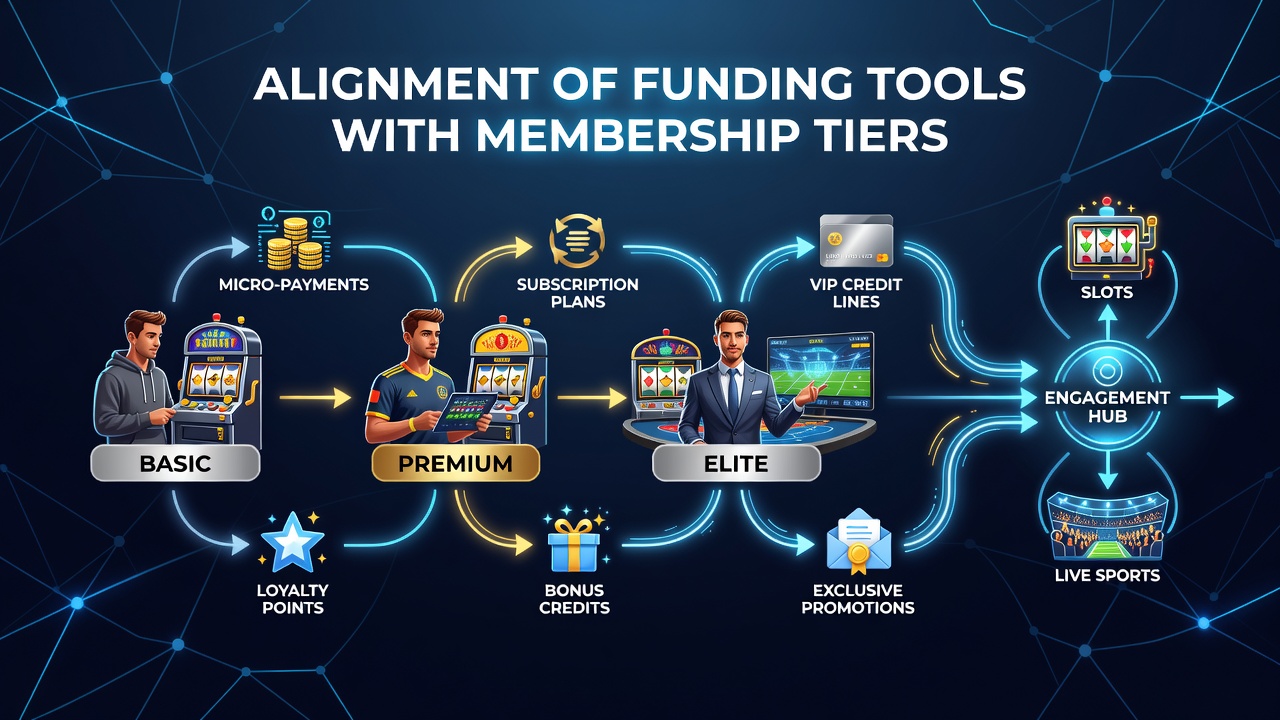
Experts examining navigation logs report that loyalty program interfaces often surface recommended tools based on historical usage, guiding bronze members toward established card networks while prompting platinum users toward emerging options like instant bank transfers. This presentation style appears consistent across applications serving both automated games and athletic markets, where the same account balance supports transitions between activities without separate funding steps.
Regional Data and Industry Benchmarks
Figures released by the American Gaming Association reveal steady growth in hybrid mobile engagement through mid-2026, wth payment method distributions varying by membership composition in key states. Similar patterns surface in Canadian markets tracked by provincial oversight bodies, where e-wallet adoption rises proportionally with tier advancement among users combining slots and live sports. Academic analyses from research institutions further document that processing timelines correlate with reward redemption speeds, particularly when participants maintain activity across both verticals on portable devices.
One study from a European gaming research center found that players advancing from silver to gold status within six months increased their use of digital wallet funding by measurable margins, enabling uninterrupted movement between reel sessions and in-play wagering. These observations hold across multiple jurisdictions without reliance on any single regulatory framework, and they underscore the structural links between available tools and tier-specific incentives.
Transaction Patterns in Combined Activity
Users engaging both slots and live sports on handheld devices generate transaction profiles that reflect their current membership stage, with lower tiers showing higher volumes of standard card deposits during initial hybrid sessions. Advanced accounts demonstrate diversified tool usage, incorporating cryptocurrency for larger transfers that coincide with tournament entries or extended sports market participation. Records from platform operators indicate that these choices remain stable once established, though occasional shifts occur when new verification requirements align with tier upgrades.
August 2026 metrics from several integrated operators confirm that deposit method preferences stabilize around gold level, where instant options reduce barriers during rapid switches between automated play and live athletic events. This stability supports consistent accumulation of loyalty points across both activity types, without necessitating separate account management steps.
Conclusion
Patterns in funding tool usage continue to map onto membership tiers for players active in slots and live sports via handheld devices, with data through August 2026 illustrating consistent alignments across regulated environments. These correlations emerge from platform design, tier benefits, and user navigation habits rather than isolated preferences, and they appear in reports from diverse geographic sources. Further tracking will clarify whether these distributions persist as mobile hybrid offerings expand.