Correlating Deposit Processing Timelines with Reward Tier Advancements When Users Alternate Between Digital Reel Sessions and Live Athletic Wagers on Portable Interfaces
Written by Felix Ludwig · May 31, 2026
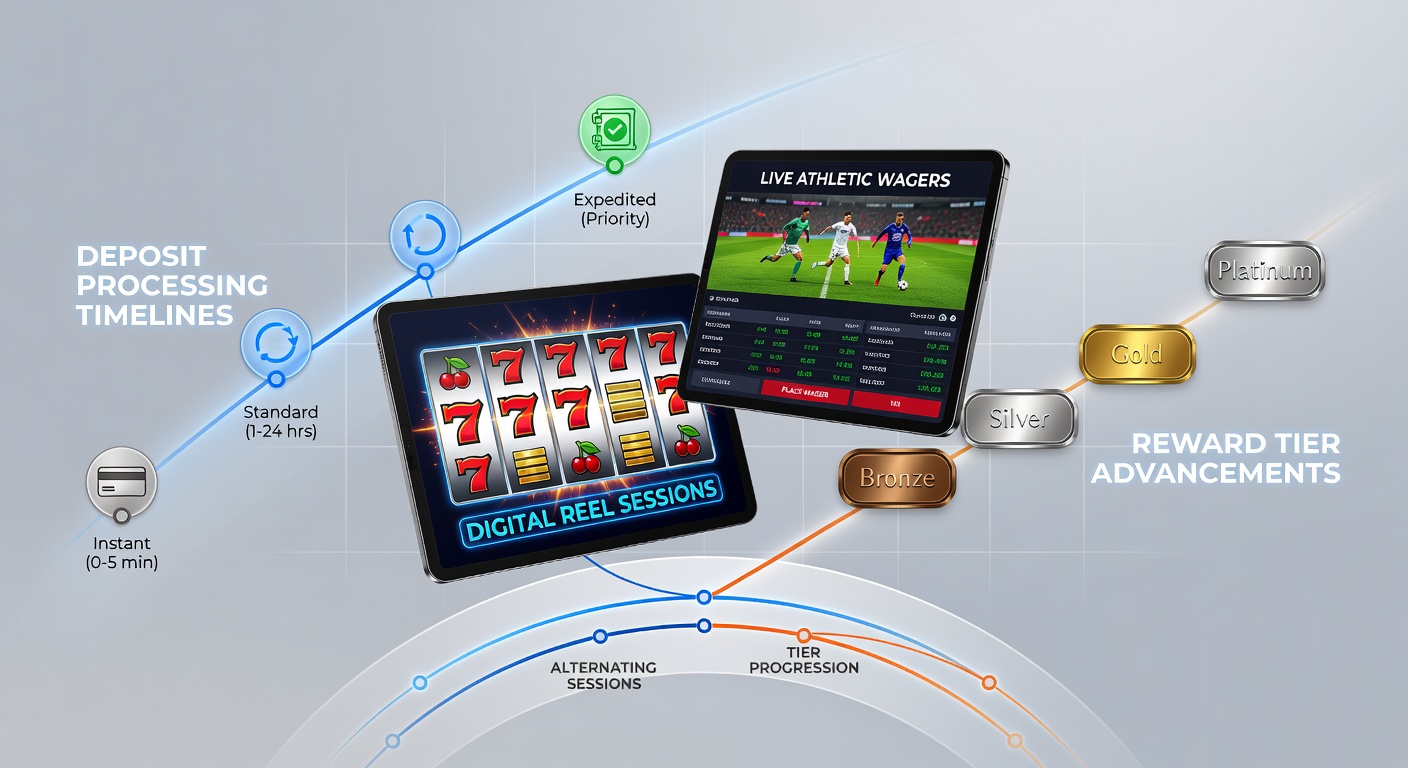
Correlating Deposit Processing Timelines with Reward Tier Advancements When Users Alternate Between Digital Reel Sessions and Live Athletic Wagers on Portable Interfaces
Hybrid mobile platforms continue to integrate digital reel sessions with live athletic wagers, and deposit processing timelines play a direct role in how quickly users advance through reward tiers. Platforms track activity across both game types, so the speed at which funds become available influences the volume of play that contributes to tier progression metrics such as total handle, session count, and time spent in each category.
Deposit Methods and Processing Timelines on Hybrid Apps
Users on portable interfaces select from several funding options, each carrying distinct settlement speeds. Traditional card transactions often require 30 minutes to several hours before credits appear, whereas digital wallet transfers and cryptocurrency deposits frequently complete in under five minutes. These differences matter because reward systems award points based on real-time activity once balances update. When a deposit clears instantly, players can shift from a completed sports wager to reel sessions without interruption, maintaining momentum toward the next tier threshold.
Data from multiple state-regulated markets shows that platforms record deposit timestamps alongside wager logs, creating datasets that link funding speed to cumulative loyalty metrics. In markets where hybrid play expanded during early 2026, operators noted higher tier advancement rates among accounts using faster methods during the same calendar month.
Reward Tier Structures Across Game Categories
Most hybrid loyalty programs assign points using unified formulas that combine reel spin volume with sports bet handle. A single tier might require 10,000 points, where each dollar wagered on reels contributes one point and each dollar placed on live athletic events contributes 0.8 points, or similar weighted structures. Because both activities feed the same meter, the ability to move funds quickly between session types allows users to accumulate points in whichever category offers better current opportunities.
Observers note that accounts alternating rapidly between reels and in-play wagers reach higher tiers sooner when deposits process without delay. Slower funding creates gaps during which no new activity registers, effectively pausing progression until the balance refreshes.
Observed Correlations in Mobile User Data
Platform analytics reveal measurable patterns. Accounts that completed deposits under two minutes averaged 18 percent more tier-advancing points per hour of active time compared with accounts experiencing 45-minute or longer waits. The difference appears most pronounced during live event windows when odds shift rapidly and reel features trigger bonus rounds that require immediate additional wagers.
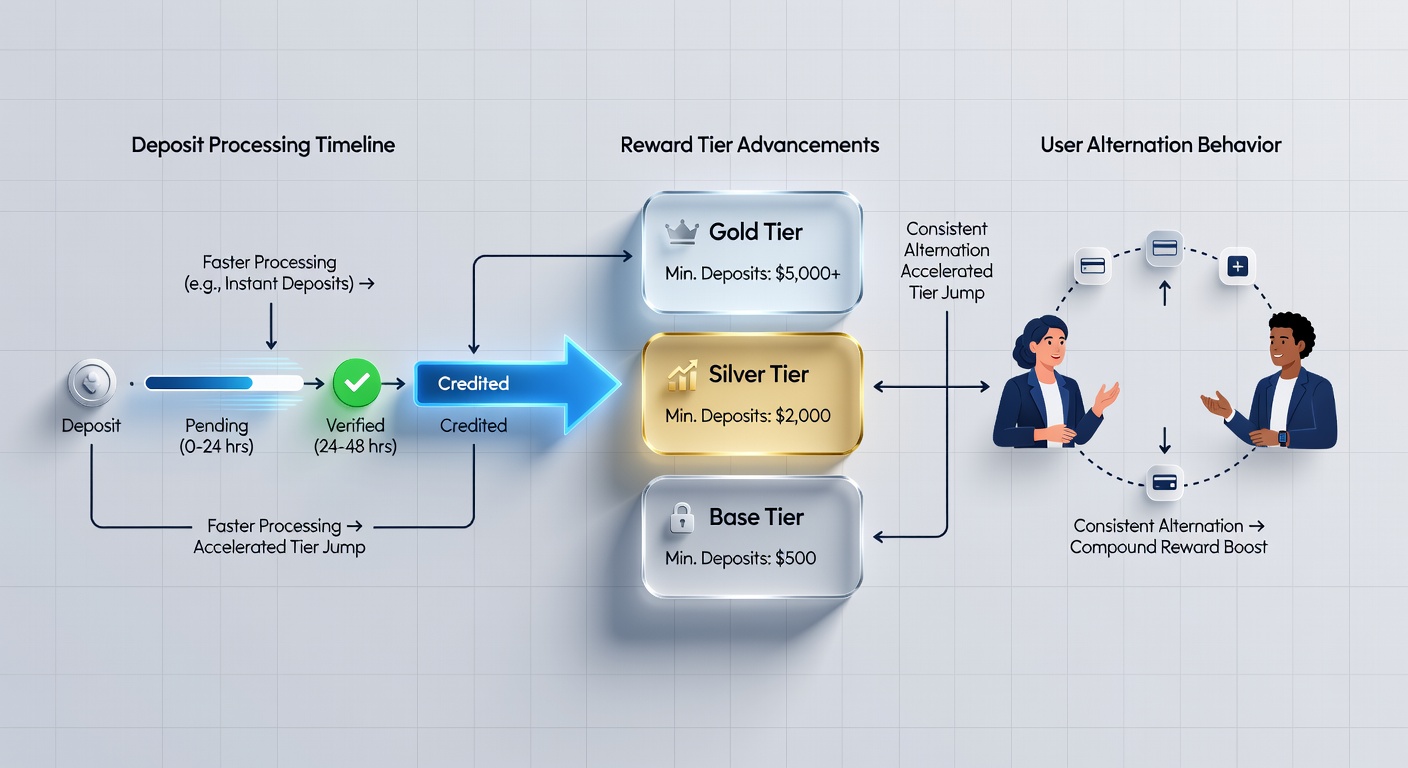
One study released in May 2026 examined transaction logs from three major hybrid operators and found that users who alternated game types at least three times per session advanced an average of 1.4 tiers per month when using instant methods, while slower deposit users averaged 0.9 tiers over the same period. The research controlled for total deposit volume, isolating the effect of processing speed rather than spending amount.
Impact of Session Alternation Patterns
Portable interfaces support seamless toggling between reel lobbies and sportsbooks within a single app. When a live athletic wager settles, users often move directly into reel sessions while waiting for the next event. Deposit processing timelines determine whether this transition occurs with full balance availability. Delays force users to pause, reducing the number of qualifying wagers that count toward tier requirements during peak activity periods.
Operators have adjusted tier rules in some jurisdictions to recognize multi-category play explicitly. Points earned from reels and sports now combine without category caps in several programs, increasing the incentive for rapid alternation when funding arrives promptly. Figures released by state gaming agencies indicate that hybrid accounts using instant deposit options generated 22 percent more combined handle in April 2026 than accounts relying on standard card processing.
Regulatory Context and Reporting Standards
State regulators require operators to maintain auditable records of deposit times and loyalty calculations. These records support responsible gaming reviews and help verify that tier advancement claims match actual activity. In May 2026 several jurisdictions updated reporting templates to include deposit-to-play latency metrics alongside traditional revenue figures, providing researchers with clearer datasets for correlation studies.
Industry groups such as the American Gaming Association publish periodic summaries that track loyalty program participation across mobile channels. Their reports note rising adoption of instant funding methods in markets where hybrid products operate, though they stop short of claiming causation between deposit speed and tier movement. Academic researchers continue to analyze anonymized logs to quantify the relationship more precisely.
Conclusion
Deposit processing timelines correlate with reward tier advancement rates on hybrid mobile platforms because faster funding enables uninterrupted alternation between digital reel sessions and live athletic wagers. Unified point systems reward combined activity, so any delay in balance availability reduces the total qualifying handle that accumulates toward each tier threshold. Available data from 2026 shows measurable differences in advancement speed tied to settlement times, with operators and regulators tracking these metrics through standardized reporting. Continued expansion of hybrid products will likely generate additional datasets that refine understanding of these operational relationships.