Decoding Transaction Tool Patterns That Shape Reward Access in Mobile Blends of Reel Spins and Live Athletic Markets
Written by Dana Lang · Aug 2, 2026

Decoding Transaction Tool Patterns That Shape Reward Access in Mobile Blends of Reel Spins and Live Athletic Markets
Transaction tool patterns in hybrid mobile platforms continue to influence how users gain access to rewards when they move between automated reel sessions and live athletic wagers, with data from regulated markets indicating measurable differences based on payment method selection and processing speed. Observers note that certain digital wallets and crypto options correlate with faster loyalty tier advancements, while traditional bank transfers often extend the timeline for bonus unlocks in these blended environments.
Platform Growth and User Behavior in 2026
Hybrid applications that combine reel spins with real-time sports markets expanded their user bases through Q2 2026, and reports from state regulators show increased transaction volumes during evening hours when participants frequently alternate between game types. Researchers tracking these patterns found that users who rely on instant-load tools complete more deposit cycles per session, which in turn accelerates progress toward reward thresholds such as free spins or enhanced betting limits. Figures from industry tracking services reveal that e-wallet transactions accounted for a growing share of activity in mobile hybrids during the summer months, including August 2026 when seasonal sports events drove additional engagement.
Those who study user navigation habits observe that seamless funding options reduce friction during switches from reel play to in-play athletic markets, allowing participants to maintain momentum toward tiered benefits. Data indicates that platforms offering multiple tool integrations see higher rates of reward claims when users select methods with sub-minute confirmation times, whereas slower processors create gaps that interrupt session flow and delay access to accumulated perks.
Payment Method Correlations with Reward Timelines
Patterns emerge when analysts examine how specific transaction tools align with membership level progressions in these mobile systems. Crypto-based deposits, for instance, often pair with quicker verification steps that unlock premium features sooner than card-based alternatives, according to aggregated platform metrics. Experts reviewing activity logs note that users who alternate tools within a single session sometimes experience variable reward pacing, since each method carries distinct processing characteristics that affect how quickly the system registers the activity toward bonus criteria.
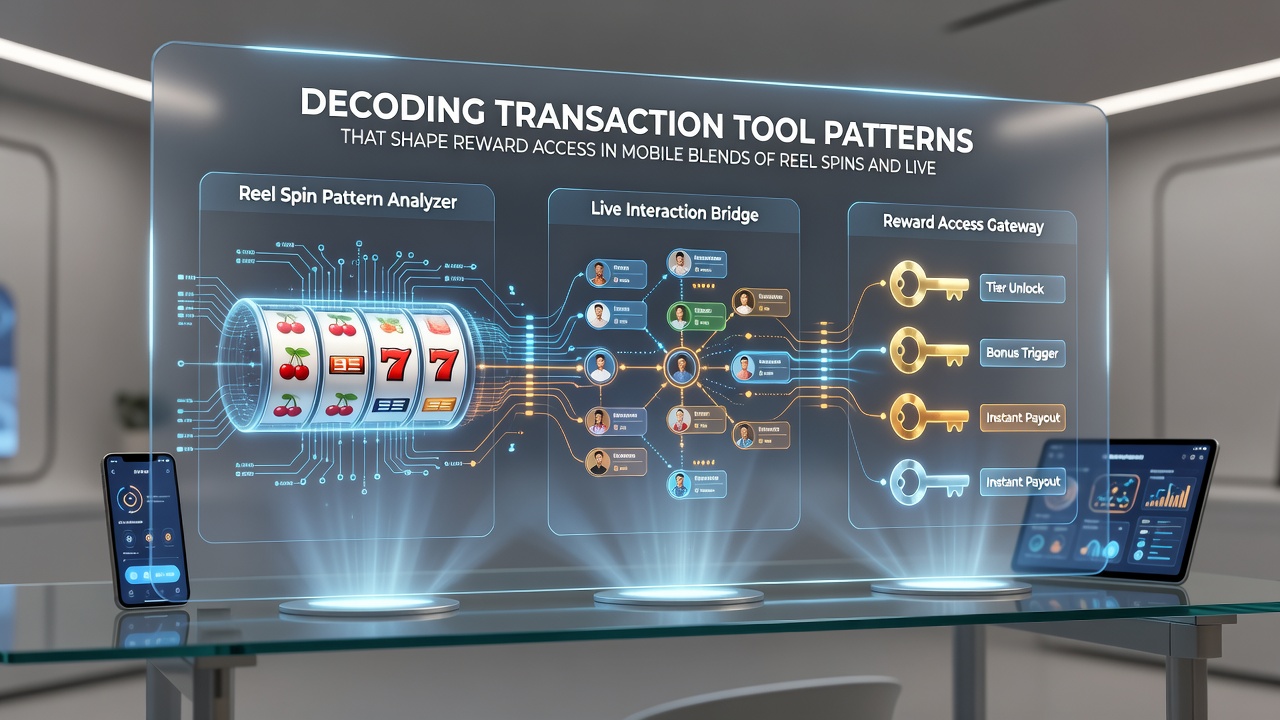
Studies of deposit processing timelines show that users who favor tools with built-in loyalty integrations advance through tiers at steadier rates when they engage both reel mechanisms and live wagers on the same interface. The reality is that certain digital wallet providers embed reward tracking directly into their transaction flows, which reduces the steps required for the platform to credit progress, while standalone bank methods require additional confirmation layers that extend the interval before benefits activate.
Regional Regulatory Context and Reporting
Regulated markets across North America and parts of Europe continue to monitor these transaction dynamics through monthly revenue disclosures and compliance reviews. The New Jersey Division of Gaming Enforcement publishes periodic summaries that include breakdowns of funding methods used in mobile offerings, providing visibility into how tool choices intersect with user retention metrics. Similar reporting from the Alcohol and Gaming Commission of Ontario highlights transaction volumes tied to multi-activity sessions, offering additional data points for those examining reward access patterns.
Industry associations such as the American Gaming Association compile broader statistics that encompass hybrid platform performance, and these resources help identify consistent trends in how payment preferences shape access to tiered benefits without requiring platform-specific disclosures. Observers note that these reports often segment data by device type, revealing that portable interfaces show stronger correlations between instant transaction tools and accelerated reward pathways compared with desktop counterparts.
Technical Factors in Tool Selection
Technical attributes of transaction tools play a direct role in determining reward eligibility windows, since automated verification systems on hybrid platforms prioritize methods that return confirmation within defined parameters. Users who select tools supporting real-time ledger updates encounter fewer interruptions when moving from reel spins to athletic markets, which supports continuous accumulation toward membership milestones. Research indicates that platforms employing unified transaction ledgers across game types reduce discrepancies that might otherwise delay reward distribution.
Patterns also surface in how session duration interacts with payout verification speeds, where longer combined sessions using consistent tools demonstrate higher completion rates for tier advancement requirements. Those reviewing these systems point out that tool reliability during peak hours, such as major athletic events in August 2026, influences whether users maintain eligibility for time-sensitive bonuses tied to both reel and sports activity.
Conclusion
Transaction tool patterns continue to define reward access pathways in mobile environments that blend reel spins with live athletic markets, with data from regulatory reports and industry metrics showing clear linkages between method choice, processing speed, and tier progression. Platforms that integrate varied tools with efficient verification maintain higher user engagement across activity types, while slower options create measurable delays in benefit activation. As hybrid offerings expand through late 2026, ongoing analysis of these patterns provides further insight into how funding selections shape participation outcomes in regulated digital spaces.