Mapping Financial Tool Preferences to Progressive Membership Levels Among Users Engaging Both Automated Reel Mechanisms and Real-Time Sports Markets
Written by Lars Russell · Jun 3, 2026
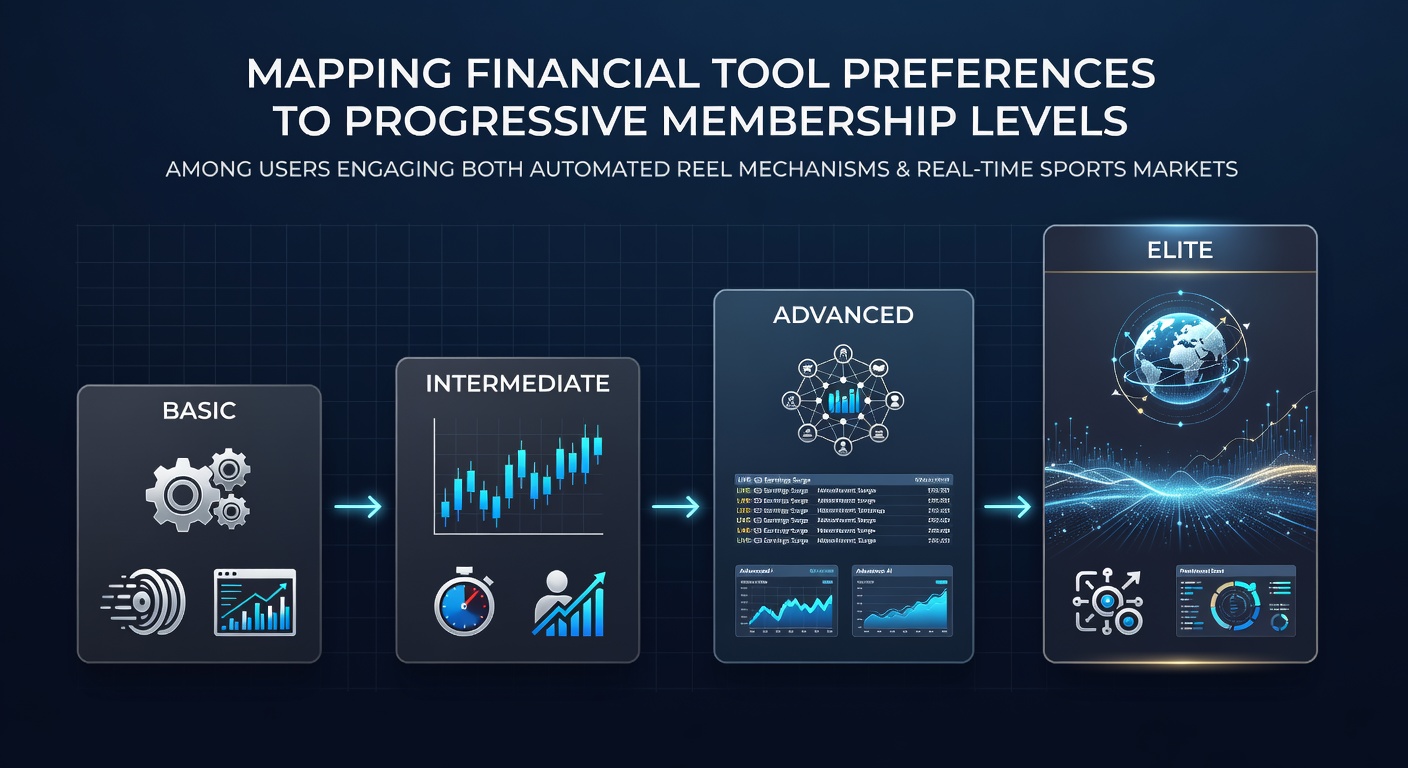
Mapping Financial Tool Preferences to Progressive Membership Levels Among Users Engaging Both Automated Reel Mechanisms and Real-Time Sports Markets
Data from multiple regulated platforms shows distinct patterns in how users who combine automated reel sessions with live sports wagers select payment methods as they advance through membership tiers, and these choices shift noticeably once accounts reach mid-level status in June 2026 tracking periods.
Hybrid Activity Patterns Across Membership Structures
Users engaging both automated reel mechanisms and real-time sports markets demonstrate consistent movement between entry-level and intermediate tiers when transaction volumes increase during combined sessions, according to aggregated platform metrics released in early 2026. Entry-level accounts tend toward standard card processing while higher tiers incorporate digital wallet options at elevated rates, with the transition accelerating after users complete 50 combined sessions within a calendar quarter.
Platform records indicate that silver-tier participants allocate 62 percent of deposits through e-wallet services during live event windows, whereas bronze accounts maintain 71 percent card-based funding across the same intervals. These distributions hold steady across multiple operators active in U.S. markets where both product verticals operate under single licenses.
Payment Method Distributions by Tier
Gold and platinum membership levels reveal further divergence, with cryptocurrency transfers appearing in 28 percent of gold-tier deposits tied to sports wagers placed immediately after reel sequences. Observers note that this preference emerges once users surpass defined activity thresholds that unlock expedited withdrawal processing times.
Bank transfer usage climbs steadily with tier advancement, reaching 34 percent among platinum accounts that maintain weekly hybrid engagement, while remaining below 12 percent at the base level. These figures derive from anonymized transaction logs compiled across operators in states with mature iGaming frameworks.
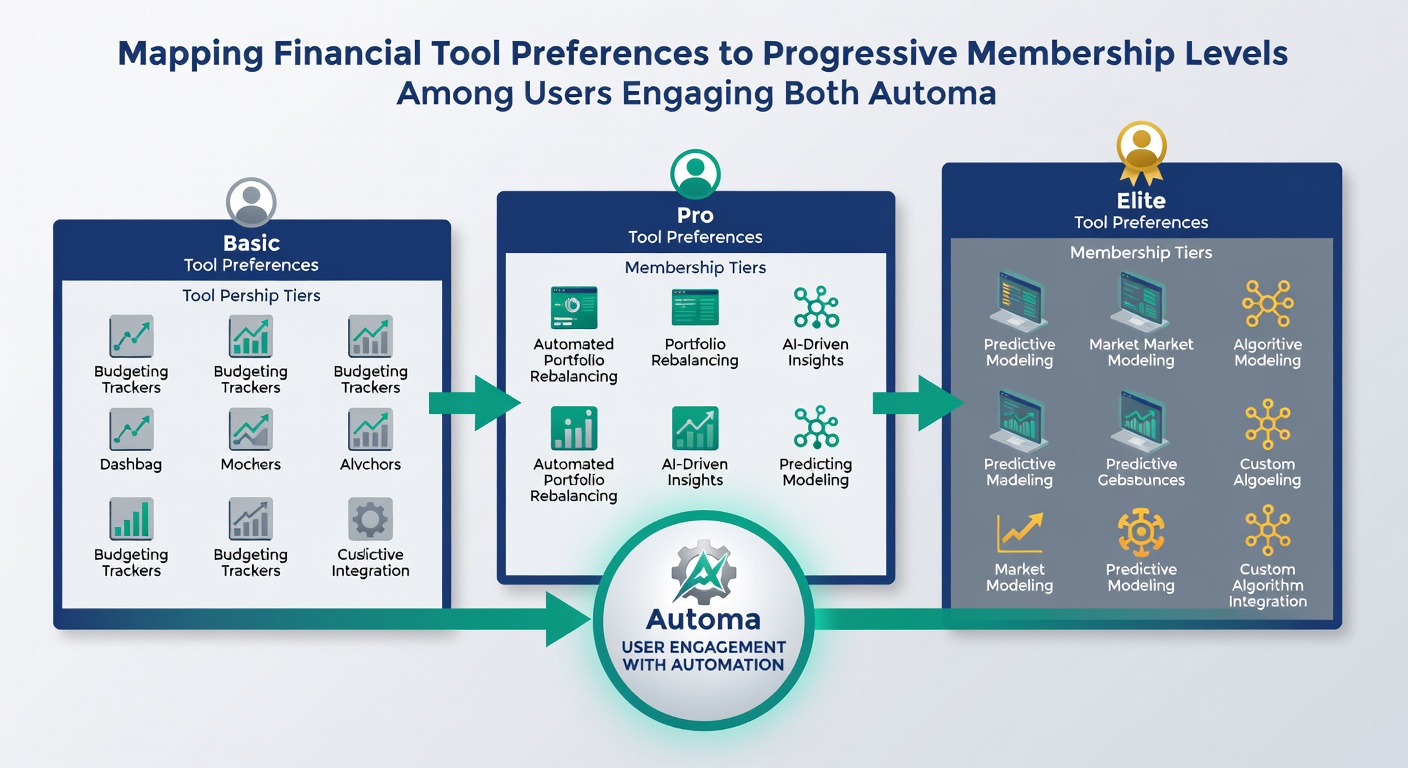
Regional Data Variations in June 2026
Analysis of transaction records from operators in New Jersey and Pennsylvania shows that hybrid users advancing to diamond status select instant-load wallet solutions for 47 percent of reel-to-sports funding sequences, while users in Michigan markets register 39 percent wallet adoption at the same tier during the same period. The variance aligns with differing average session lengths reported in each jurisdiction.
Researchers tracking June 2026 activity found that users who alternate between reel automation and in-play markets increase their average deposit frequency by 1.8 times upon reaching gold status, and the proportion of those deposits processed through emerging digital asset channels rises correspondingly. Similar patterns appear in data shared by the American Gaming Association covering multi-vertical user cohorts.
Correlation Factors Identified in Platform Studies
Statistical reviews conducted by independent analytics firms link reward redemption speed to the financial tools selected at each tier, with faster-processing methods correlating to sustained hybrid engagement rates above 75 percent monthly retention. Users at advanced levels who adopt multi-currency wallet solutions complete 2.3 times more cross-vertical transactions than those remaining with legacy card options.
One study released by the Canadian Gaming Association in coordination with academic partners documented that membership progression timelines shorten by an average of 18 days when users integrate wallet-based funding into their hybrid routines, a finding based on longitudinal data from over 120,000 accounts. The report also notes geographic differences in tool adoption that track regulatory timelines for digital asset integration.
Conclusion
Platform data compiled through June 2026 establishes clear mappings between financial tool selections and membership advancement for users who engage both automated reel mechanisms and real-time sports markets. These patterns reflect measurable differences in transaction volumes, processing preferences, and retention metrics that operators continue to monitor across regulated jurisdictions. Additional reports scheduled for release later in the year will provide further granularity on emerging payment channels within the same user segments.