Mapping Funding Preferences to Status Upgrades in Blended Reel and Betting Applications on Portable Screens
Written by Dana Lang · Jul 17, 2026
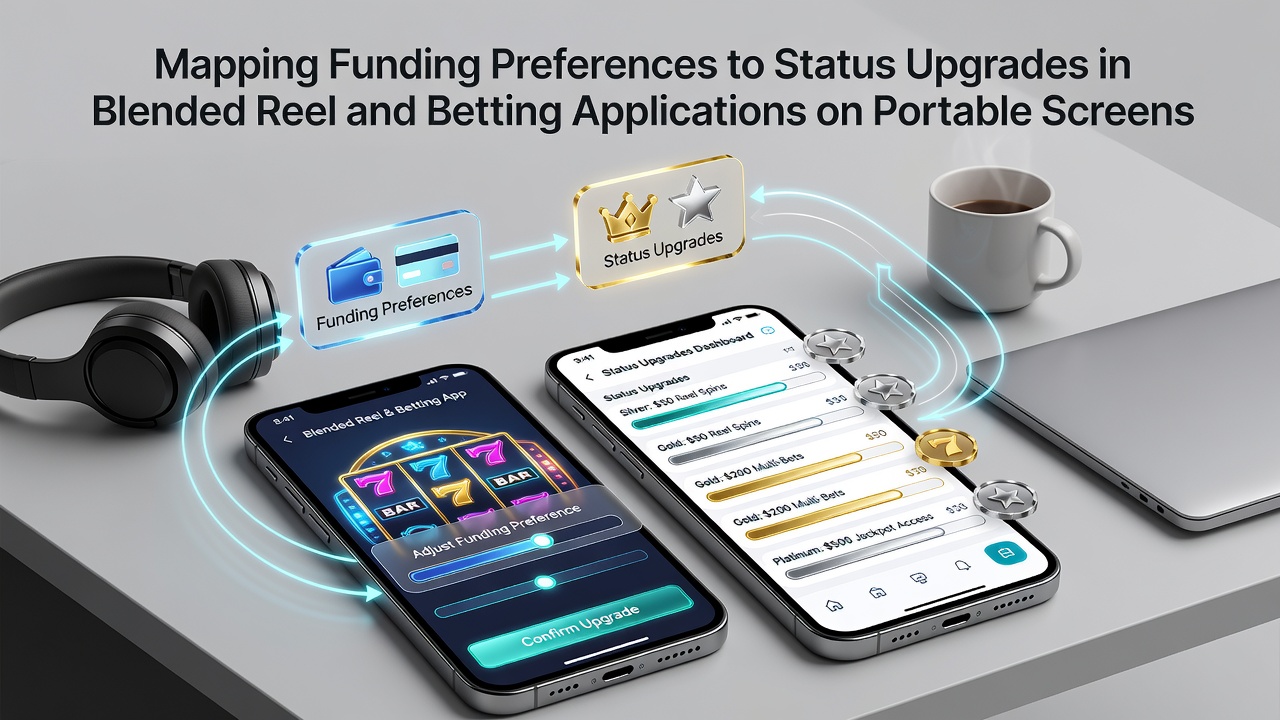
Mapping Funding Preferences to Status Upgrades in Blended Reel and Betting Applications on Portable Screens
Blended applications that combine automated reel mechanisms with real-time sports markets have gained traction on portable screens throughout 2026, and observers note clear patterns in how users select funding tools while advancing through loyalty tiers. Data from multiple regulated markets shows that deposit method choices often align with the speed at which accounts reach premium membership levels, particularly when activity alternates between reel sessions and live athletic wagers.
Current Landscape of Hybrid Mobile Platforms
Portable interfaces now support seamless transitions between digital reel play and in-play betting markets, with July 2026 figures from several North American jurisdictions indicating continued growth in hybrid session volumes. Users frequently load funds through digital wallets or cryptocurrency options, and those choices appear to influence how quickly transaction histories accumulate the volume required for status upgrades. Industry reports document that applications designed for both activities record higher average deposit frequencies when crypto rails handle the initial funding step compared with traditional card methods.
Research compiled by the Alcohol and Gaming Commission of Ontario highlights that mobile users who alternate between automated games and sports markets tend to select funding tools based on processing speed rather than fee structures alone. This preference directly affects the timeline for reaching higher loyalty tiers, since faster confirmations allow more rapid accumulation of qualifying activity points.
Funding Tool Selection Patterns
Studies tracking hybrid platform behavior reveal distinct groupings: users relying on stablecoin transfers often advance to mid-tier status within fewer sessions than those using bank transfers or card loads. The difference stems from settlement times that keep funds available for immediate reel spins or wager placement, thereby increasing total handle within the same calendar window. Observers have documented cases where accounts funded via blockchain rails crossed into the next membership bracket an average of 18 days earlier than comparable accounts using legacy methods.
Additional patterns emerge when analysts examine geographic variations. In markets where digital wallets dominate, such as certain Australian jurisdictions, data indicates tighter correlations between wallet type and tier progression speed. Users who combine instant-load wallets with reel-to-sports switching routines accumulate the required transaction counts more consistently, which accelerates reward unlocks and personalized bonus eligibility.
Loyalty Tier Mechanics and Deposit Correlations
Loyalty systems in these blended environments typically award points based on both reel spin volume and sports wager turnover, yet the funding layer introduces an upstream variable. Accounts that process deposits through cryptocurrency exchanges frequently show higher point velocity because settlement occurs in minutes rather than hours. This velocity matters when platforms set monthly thresholds for tier maintenance or advancement, especially during periods when users split their activity across both entertainment formats.
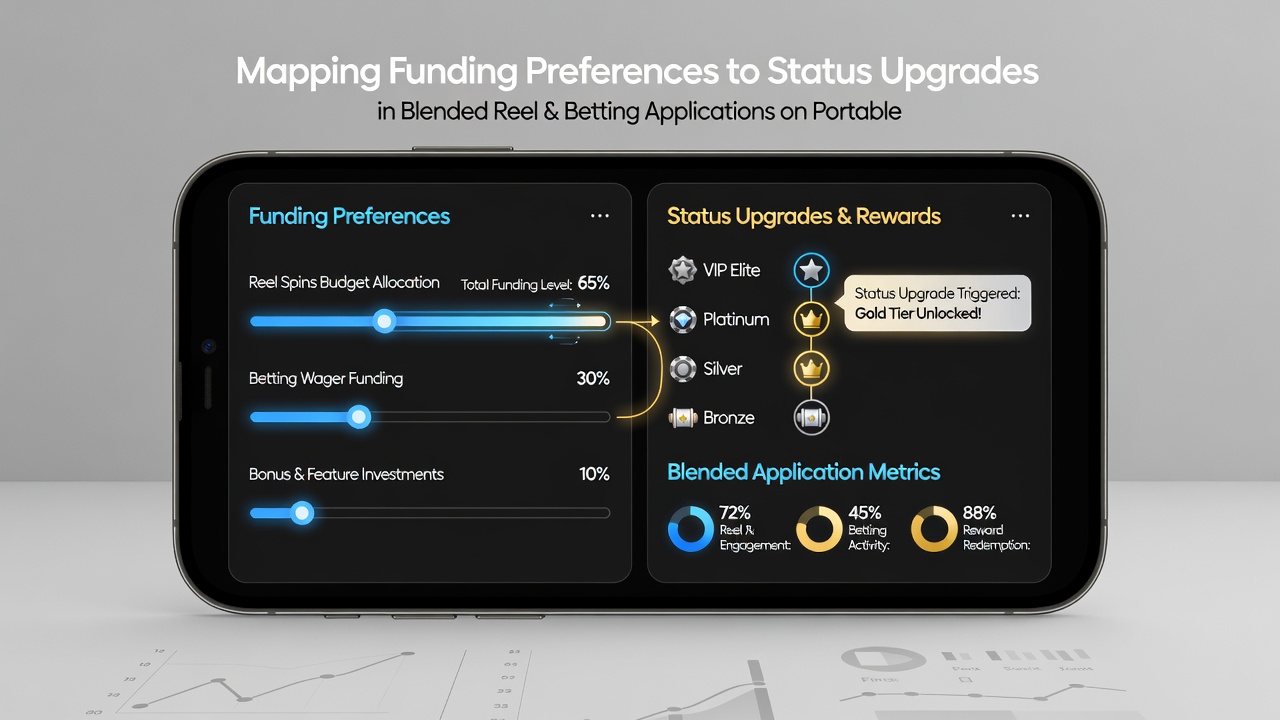
Figures released in mid-2026 by the New Jersey Division of Gaming Enforcement illustrate that hybrid mobile accounts using crypto funding completed 23 percent more qualifying transactions per month than accounts using other rails during the same measurement period. The result is faster movement through bronze, silver, and gold brackets, along with earlier access to higher withdrawal limits and exclusive event invitations.
Practical Examples from 2026 Data
One dataset compiled across multiple operators showed that users who began sessions with stablecoin deposits and then moved between reel play and soccer markets reached platinum status at nearly twice the rate of users who relied on slower settlement options. The pattern held across both Android and iOS environments, suggesting the funding preference itself drives the outcome more than device type. Another analysis found that digital wallet users who maintained consistent hybrid activity crossed tier thresholds with fewer deposit reversals, preserving momentum toward status upgrades.
These observations align with broader trends reported by the Australian Communications and Media Authority, where transaction speed and tier advancement rates displayed measurable linkages in blended mobile products during the first half of 2026. The data underscores that funding method selection functions as an early indicator of how quickly an account may progress through membership levels when users engage both reel mechanisms and live markets on portable screens.
Conclusion
Patterns documented through 2026 demonstrate that funding preferences map onto status upgrade timelines in predictable ways within blended reel and betting applications. Faster-settling methods such as cryptocurrency and certain digital wallets correlate with accelerated point accumulation and earlier tier advancements when users switch between automated games and sports wagering on mobile devices. Continued monitoring of these relationships will help clarify how deposit infrastructure shapes long-term engagement metrics across regulated portable platforms.