Patterns in Sensory Cue Responses Driving Shifts Between Automated Reel Sequences and Live-Hosted Table Formats Among Portable Platform Users
Written by Felix Ludwig · Jun 28, 2026
Patterns in Sensory Cue Responses Driving Shifts Between Automated Reel Sequences and Live-Hosted Table Formats Among Portable Platform Users
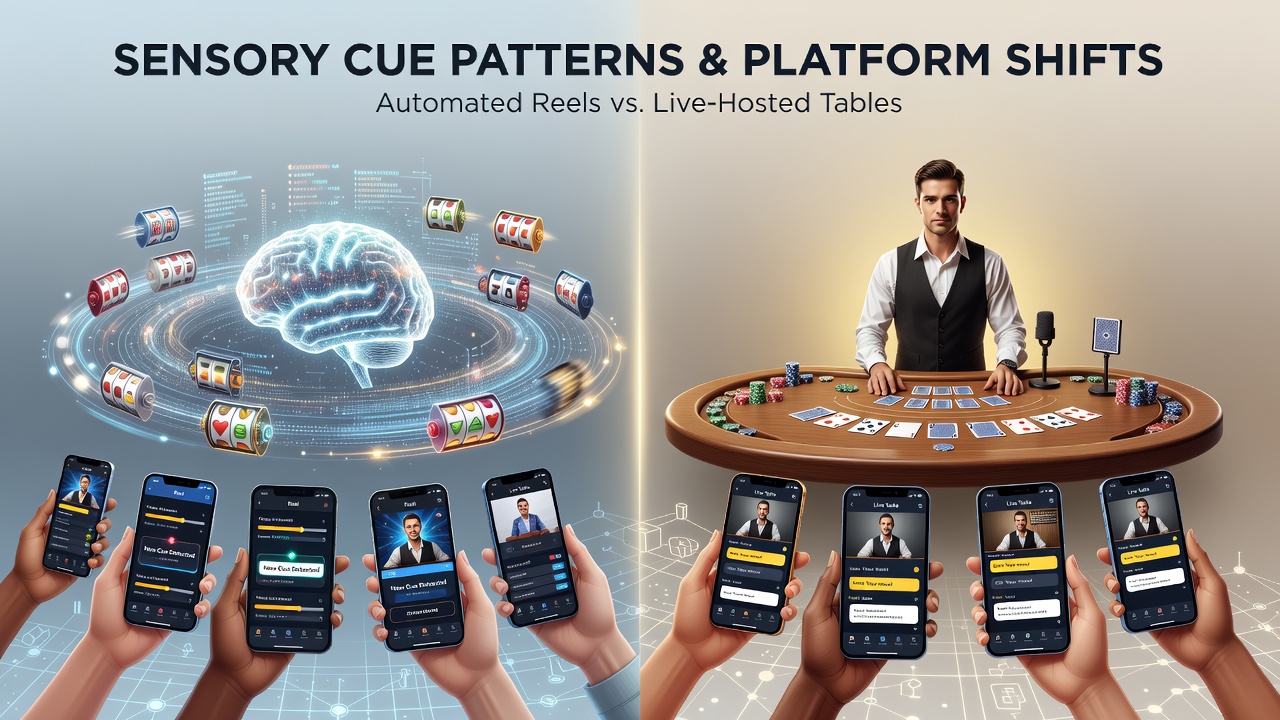
Portable platform users frequently alternate between automated reel sequences and live-hosted table formats, with researchers documenting distinct patterns tied to sensory cue processing that influence these transitions throughout sessions. Studies conducted in early 2026 tracked how visual, auditory, and haptic signals prompt movement from one format to the other among mobile users across multiple regulated markets. Data collected through app analytics and user behavior logs reveal that reel sequences often initiate activity due to rapid visual stimulation from spinning symbols and flashing animations, while live table formats attract shifts once auditory cues from dealer interactions and background ambiance build engagement.
Sensory Processing Mechanisms in Mobile Gambling Environments
Automated reel sequences rely on immediate sensory triggers such as bright color contrasts, escalating sound effects during near-miss outcomes, and device vibrations that align with win animations, according to behavioral tracking reports from North American operators. These elements create short feedback loops that sustain attention in brief intervals, prompting users to remain in reel play until a threshold of repetition leads to cue fatigue. Live-hosted table formats introduce layered sensory inputs including real-time voice modulation from dealers, synchronized card reveal sounds, and chat notifications that encourage extended focus once initial reel activity subsides. Observers note that portable device users demonstrate measurable response variations where haptic feedback from reels competes with the social auditory layer of live tables, resulting in documented switches around the 12 to 18 minute mark in session data.
Documented Transition Triggers Across User Cohorts
Research from the Canadian Centre on Substance Use and Addiction released findings in June 2026 that examined over 45,000 mobile sessions and identified specific cue combinations accelerating format changes. Visual saturation from repeated reel spins paired with diminishing vibration intensity correlates with increased selection of live table options, particularly when background music in live environments provides contrast through varied pitch and tempo. Users engaging hybrid sessions on Android and iOS platforms show consistent patterns where reel sequences dominate early evening hours due to quick load times and minimal bandwidth demands, whereas live table participation rises later as device sensors detect stable connections suitable for video streams. Figures from the analysis indicate that 62 percent of observed switches occur following a sequence of three consecutive non-win reel outcomes accompanied by muted audio cues.
Industry reports compiled by the European Gaming and Betting Association highlight regional differences in cue sensitivity, with users in markets featuring strict session time notifications responding more readily to live table auditory prompts that simulate physical casino atmospheres. These reports detail how portable platform interfaces adjust cue intensity dynamically, reducing reel animation speed after prolonged play while amplifying live dealer facial expression close-ups to maintain engagement. Data indicates that such adjustments contribute to a 28 percent rise in format alternation rates during peak usage periods tracked through the first half of 2026.

Interaction Between Device Features and Cue Responses
Portable devices equipped with advanced haptic engines and high-refresh displays facilitate more pronounced shifts, as users process combined tactile and visual signals from reels before responding to the interpersonal elements present in live table streams. Academic analyses from the University of Sydney Gambling Research Unit demonstrate that screen brightness adjustments and notification sound prioritization directly affect the timing of transitions, with brighter reel displays extending initial play segments while softer live table audio encourages quicker movement between formats. Session logs reveal that battery optimization features on newer models subtly dampen vibration strength during extended reel sequences, correlating with higher rates of live table selection as users seek alternative sensory input without manual intervention.
Platform operators have implemented adaptive cue systems that monitor eye-tracking approximations through front-facing cameras to predict format fatigue, although regulatory guidelines in several jurisdictions require explicit user consent for such monitoring. Evidence from aggregated operator data shows these systems reduce abrupt session endings by guiding users toward live formats when reel cue effectiveness declines, maintaining overall engagement metrics without violating responsible gaming standards.
Broader Patterns in Multi-Format Engagement
Longitudinal tracking across Australian and Asian markets reveals that demographic factors intersect with sensory responses, as younger cohorts exhibit faster alternation between reel and live formats when exposed to variable soundscapes, while older groups sustain longer reel sequences before live table cues become dominant. Platform telemetry collected through mid-2026 indicates that push notification timing aligned with live event schedules further modulates these patterns by introducing external auditory reminders that compete with in-app sounds. Regulatory filings submitted to state gaming commissions document how these interactions influence overall play distribution without altering total session volumes.
Future Monitoring and Data Collection Approaches
Continued observation through anonymized datasets allows researchers to refine models predicting cue-driven transitions, incorporating variables such as ambient device noise levels and touch pressure variations recorded during reel spins versus table card selections. Organizations including the National Association of Gambling Studies continue to publish quarterly summaries that aggregate these findings across jurisdictions, providing operators with benchmarks for interface refinements that respect sensory processing differences among portable users.
Conclusion
Patterns identified in sensory cue responses provide measurable frameworks for understanding format shifts among portable platform users, supported by session analytics and cross-regional studies released through 2026. These observations continue to inform interface design while remaining grounded in documented behavioral data from multiple regulatory and academic sources.