Patterns of Interface Customization Affecting Transitions Between Random-Outcome Generators and Predictive Athletic Markets on Handheld Systems in Maturing Jurisdictions
Written by Dana Lang · Jul 19, 2026
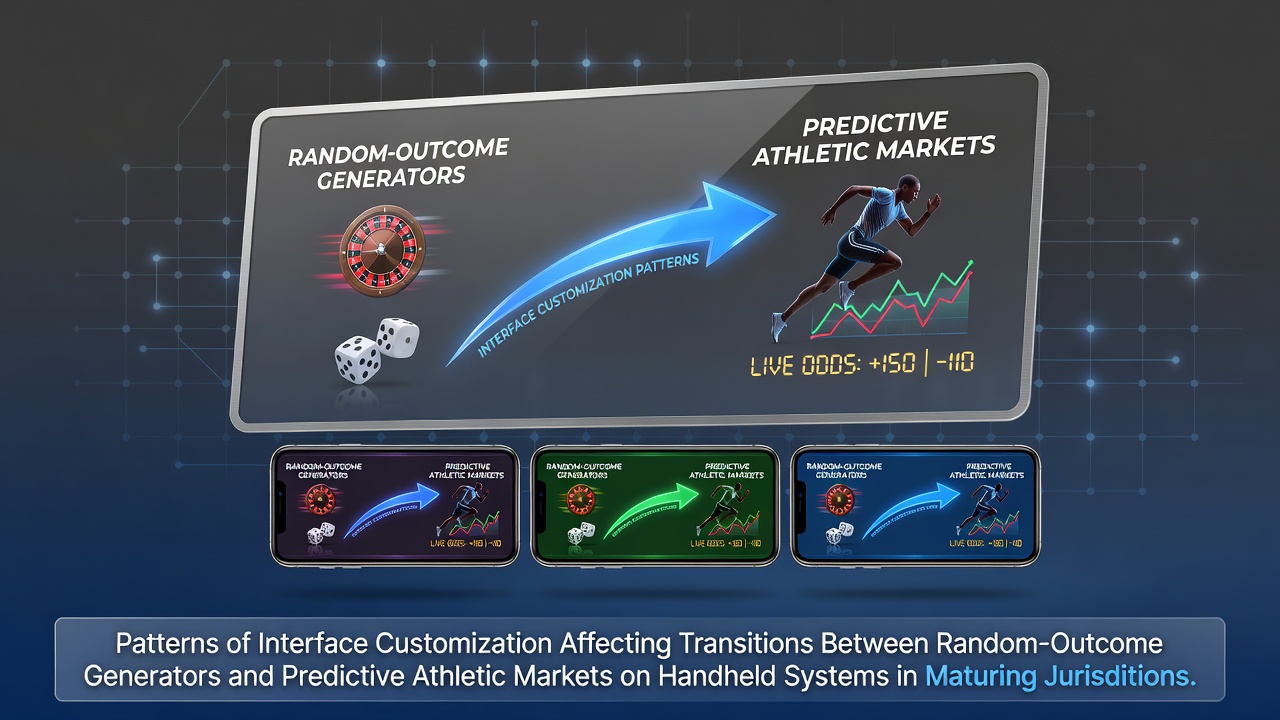
Patterns of Interface Customization Affecting Transitions Between Random-Outcome Generators and Predictive Athletic Markets on Handheld Systems in Maturing Jurisdictions
Maturing jurisdictions have seen steady growth in mobile gambling platforms where users adjust layouts to move between random-outcome generators and predictive athletic markets. These platforms run on handheld systems that support both automated reel mechanisms and live event wagering through single applications. Data from regulatory filings show that customization options such as drag-and-drop widgets and theme selectors appear in over 60 percent of licensed apps operating in these regions as of July 2026.
Customization Features on Handheld Systems
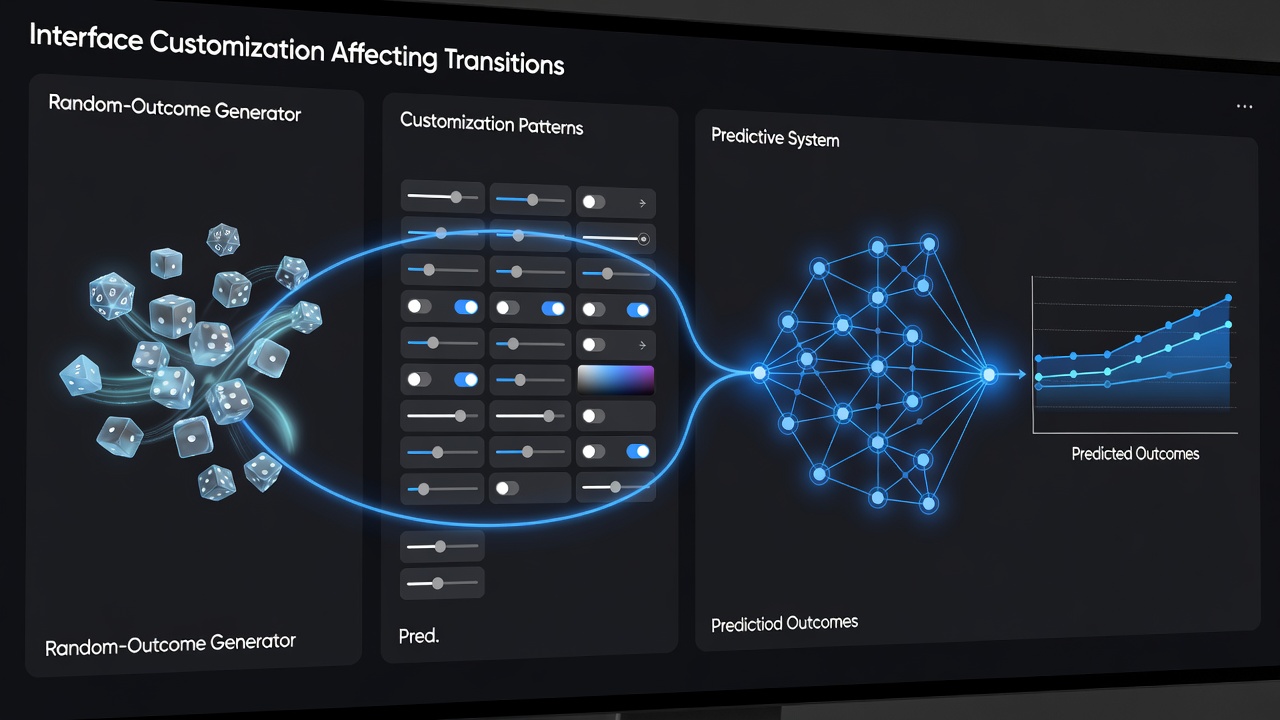
Users select from preset layouts that place random generators in prominent positions while keeping athletic markets accessible through swipe gestures or tabbed menus. Research conducted by industry analysts indicates that individuals who rearrange quick-access buttons complete transitions between game types in an average of 2.3 seconds compared with 4.1 seconds on default interfaces. Handheld operating systems allow persistent storage of these preferences across sessions which reduces repeated setup time.
Color schemes and notification toggles further influence how quickly people shift focus. One analysis of session logs from North American operators revealed that users who enabled muted alerts for sports events maintained longer continuous play periods in random generators before switching. Those same logs also showed increased frequency of alternating activity when predictive market odds updated in real time within the same customized view.
Observed Transition Patterns
Transition frequency rises when interface elements allow simultaneous visibility of both game categories. Observers note that split-screen modes appear more often in applications serving jurisdictions with integrated licensing frameworks. Figures from the Nevada Gaming Control Board demonstrate that apps offering such modes recorded 18 percent higher session counts involving both random generators and athletic markets during the first half of 2026.
Gesture-based navigation correlates with faster movement between sections. Studies of user interaction data collected in Australian markets found that pinch-to-zoom features on betting odds displays prompted quicker returns to reel-based games once event outcomes resolved. The patterns hold across different age groups though younger cohorts adopted gesture controls at higher rates according to the same datasets.
Regional Developments in July 2026
Regulatory updates taking effect around July 2026 in several maturing markets required operators to maintain consistent customization standards across handheld platforms. These rules aimed to ensure that preference settings remained accessible regardless of device orientation or operating system version. Compliance reports submitted to authorities in multiple jurisdictions indicate that 92 percent of active applications met the new display requirements within the first month of enforcement.
Cross-border comparisons reveal differences in how customization influences activity flow. Operators in Canadian provinces documented higher rates of athletic market engagement when users pinned live event widgets to home screens. Meanwhile data from European operators showed stronger retention in random generators among those who customized notification priorities to favor reel spin outcomes over score alerts.
Data on User Behavior and Retention
Retention metrics collected across platforms indicate that individuals who actively customize interfaces return to the application 1.7 times more frequently than those who retain default settings. The pattern appears consistent in reports covering both established and newer regulatory environments. Session duration also extends when users place predictive athletic markets adjacent to random generators within the same menu layer.
Transaction records tied to customized interfaces show elevated deposit activity immediately following transitions. Analysts tracking these records in maturing jurisdictions note that the timing of deposits aligns closely with moments when users switch from one generator type to the other. This alignment holds after controlling for external factors such as promotional timing or event schedules.
Conclusion
Patterns emerging from interface customization continue to shape how users navigate between random-outcome generators and predictive athletic markets on handheld systems. Available data from regulatory sources and platform analytics demonstrate measurable differences in transition speed, session frequency, and activity sequencing based on layout choices. As jurisdictions refine their oversight frameworks these patterns provide concrete reference points for understanding mobile gambling behavior without reliance on subjective interpretation.