Payment Preferences Transform Among Hybrid Reel and Sports Betting Participants
Written by Felix Ludwig · Aug 26, 2026

Payment Preferences Transform Among Hybrid Reel and Sports Betting Participants
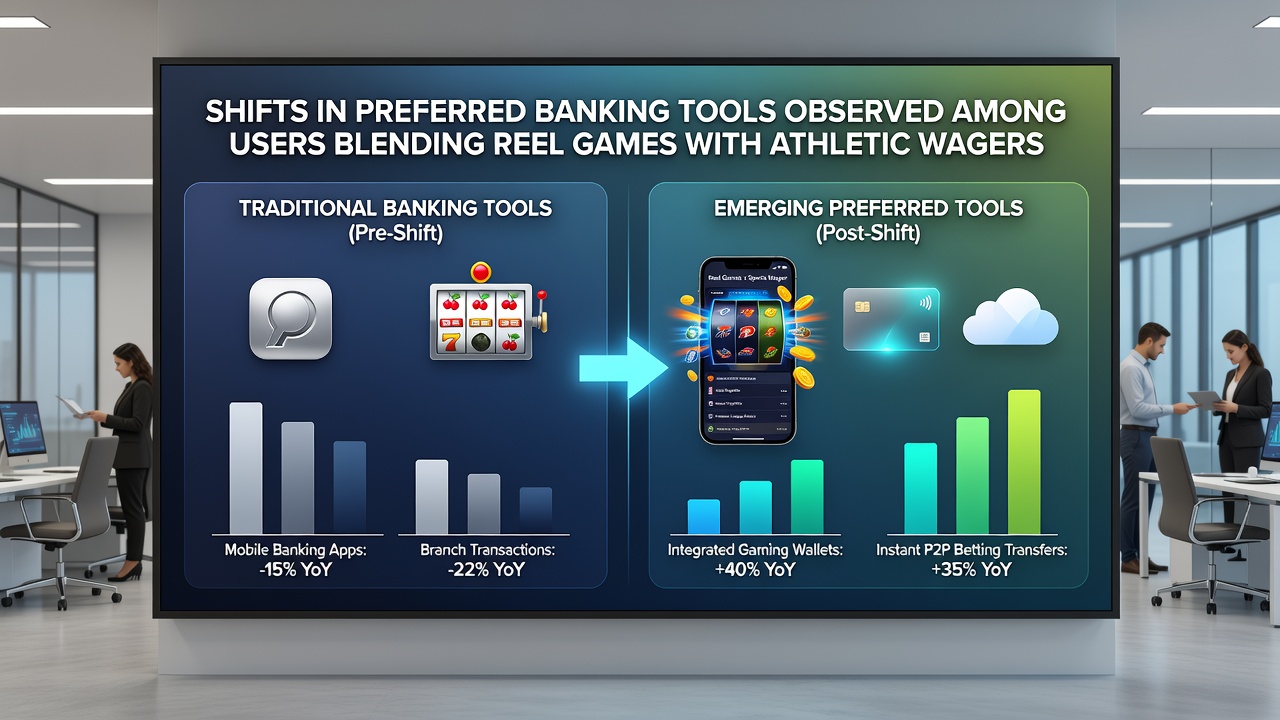
Data from multiple regulatory reports indicates that participants who alternate between automated reel mechanisms and live athletic wagers have adjusted their preferred funding methods over the past year, with noticeable movement toward digital wallets and cryptocurrency options that support rapid transfers across both activity types. Observers note these changes align with platform updates that allow seamless switching between slots and in-play markets without requiring separate account funding steps.
Platform Integration Drives Tool Selection Patterns
Hybrid environments that combine reel games with athletic wagering options have expanded in regulated markets during 2026, and figures from industry trackers reveal that users increasingly select payment tools capable of handling both instant deposits for automated sessions and quick verifications for real-time bets. Those who study user behavior point out that e-wallets now account for a larger share of transactions because they reduce processing delays when individuals move between reel play and sports markets within the same mobile interface.
August 2026 brought additional data points from state-level monitoring programs, where transaction logs showed elevated use of instant-load methods during periods of overlapping reel tournaments and major athletic events. Researchers at academic institutions tracking these patterns have documented that users with premium membership tiers demonstrate higher adoption rates of tools offering tiered reward linkages, while standard users continue to rely on established bank transfers for larger deposit amounts.
Regional Data Highlights Tool Distribution
Reports compiled by the New Jersey Division of Gaming Enforcement detail that hybrid session participants in that jurisdiction completed over 60 percent of combined reel and sports transactions through digital wallet services during the first half of 2026, up from previous periods when card-based methods held greater volume. Similar monitoring in Canadian provinces has produced comparable findings, with observers noting that cryptocurrency options gained traction among users who engage in frequent alternations between automated games and live athletic wagers.
One study released by the University of Nevada, Las Vegas gaming research group examined transaction timelines across multiple platforms and found that payout verification speeds influence tool selection when users maintain ongoing reel sessions alongside in-play betting. Participants who require faster confirmation for reward redemptions tend to migrate toward options that integrate directly with mobile applications, reducing the steps needed to resume either activity type.
Membership Levels Correlate With Funding Choices
Platform analytics indicate that loyalty tier advancements often coincide with shifts in banking tool preferences, as higher-tier users gain access to specialized features that pair with certain payment processors. Data shows these individuals more frequently select methods that support both automated reel deposits and athletic wager adjustments within unified account structures. Lower-tier participants, by contrast, demonstrate steadier use of traditional banking channels that prioritize security verification over speed.
Additional patterns emerge when session length data is cross-referenced with funding records, revealing that extended hybrid sessions correspond to higher volumes processed through instant digital tools. Those monitoring these trends note that reward structures tied to payment method usage have encouraged some users to consolidate their activity onto fewer processors that accommodate both reel and sports functions without additional fees.
Future Monitoring and Platform Adjustments
Regulatory bodies continue to track these developments as hybrid platforms refine their offerings through the remainder of 2026. Evidence from ongoing reports suggests that tool preferences will remain fluid as new features appear that further link reel game mechanics with athletic wagering interfaces. Observers expect continued documentation of how transaction speeds and reward linkages shape selections among participants who maintain activity across both categories.
Conclusion
Available records demonstrate measurable movement in banking tool usage among users who blend reel games with athletic wagers, driven by platform capabilities and membership incentives rather than isolated preferences. Continued collection of transaction data through established regulatory channels will provide further clarity on these patterns as hybrid environments evolve.