The Interplay of Session Lengths in Reel Play and Verification Processes in Integrated Mobile Gaming Environments
Written by Dana Lang · Jul 12, 2026
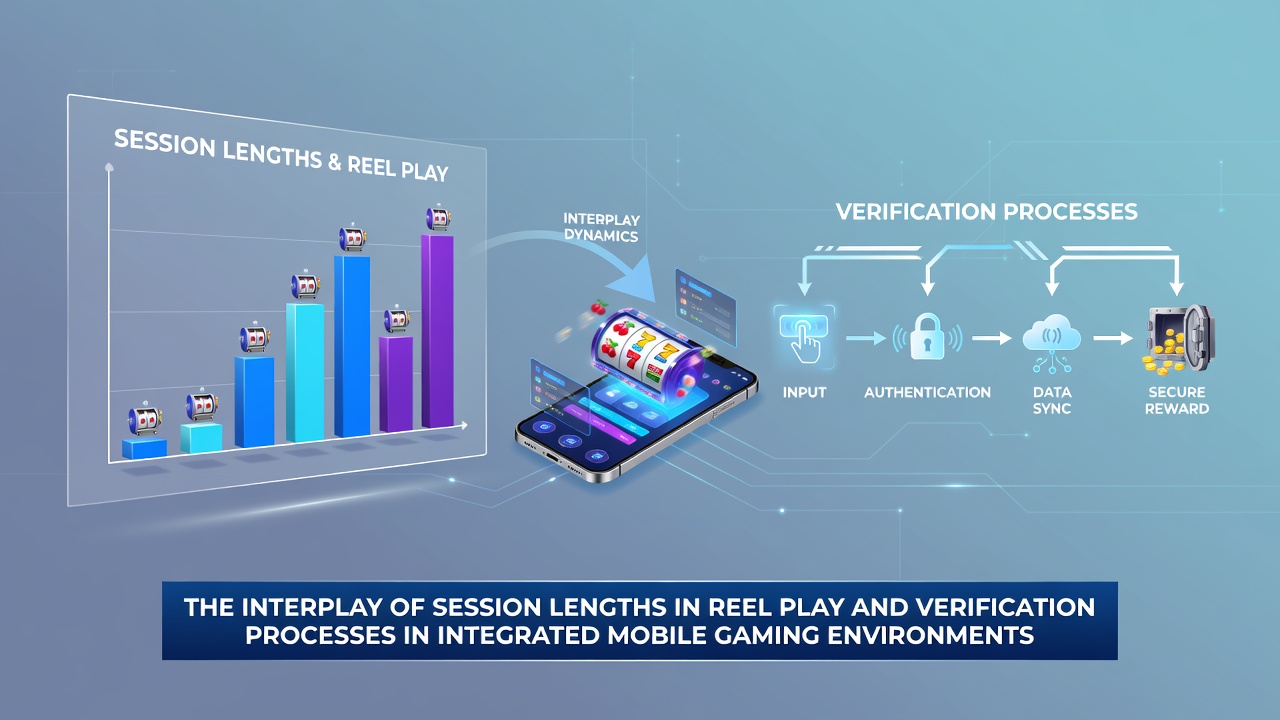
The Interplay of Session Lengths in Reel Play and Verification Processes in Integrated Mobile Gaming Environments
Integrated mobile gaming environments combine reel-based games with other wagering options on single platforms, and session lengths in automated reel play often intersect with verification timelines that handle identity checks, payment approvals, and compliance steps. Data from multiple operators indicates that users who extend reel sessions beyond 25 minutes encounter verification processes that scale in complexity because longer play periods generate larger transaction volumes and trigger additional regulatory flags.
Session Duration Patterns in Reel Play
Research conducted across North American markets shows average reel play sessions lasting between 12 and 18 minutes on mobile devices during weekday afternoons, while evening periods stretch those durations to 22 minutes on average. Operators track these intervals through app telemetry that records spin frequency, bet sizing, and pause patterns, and the resulting datasets reveal that sessions exceeding 30 minutes correlate with higher rates of payout requests that require multi-stage verification. Platforms integrate these metrics with real-time compliance engines so that extended play automatically queues additional document reviews or biometric confirmations before funds release.
Analysts at the University of Nevada's Gaming Research Center have examined how reel session length influences verification speed in hybrid apps, and their findings demonstrate that a 40-minute session typically initiates two additional verification layers compared with shorter 10-minute bursts. These layers include cross-referencing device fingerprints with account history and running automated risk scoring against transaction velocity thresholds. The process remains automated in most cases, yet manual review queues form when cumulative reel activity surpasses internal thresholds set by state regulators.
Verification Mechanisms in Mobile Ecosystems
Verification in these environments encompasses know-your-customer protocols, payment processor approvals, and responsible gaming checks that activate at different points during user activity. Mobile applications often embed these steps within the session flow so that identity confirmation occurs either at login or immediately before withdrawal, and the timing shifts based on session length data collected in real time. July 2026 reports from the New Jersey Division of Gaming Enforcement indicate that integrated platforms processed over 2.3 million reel-related verification events that month, with processing times averaging 47 seconds for sessions under 20 minutes and rising to 2 minutes 14 seconds for longer engagements.
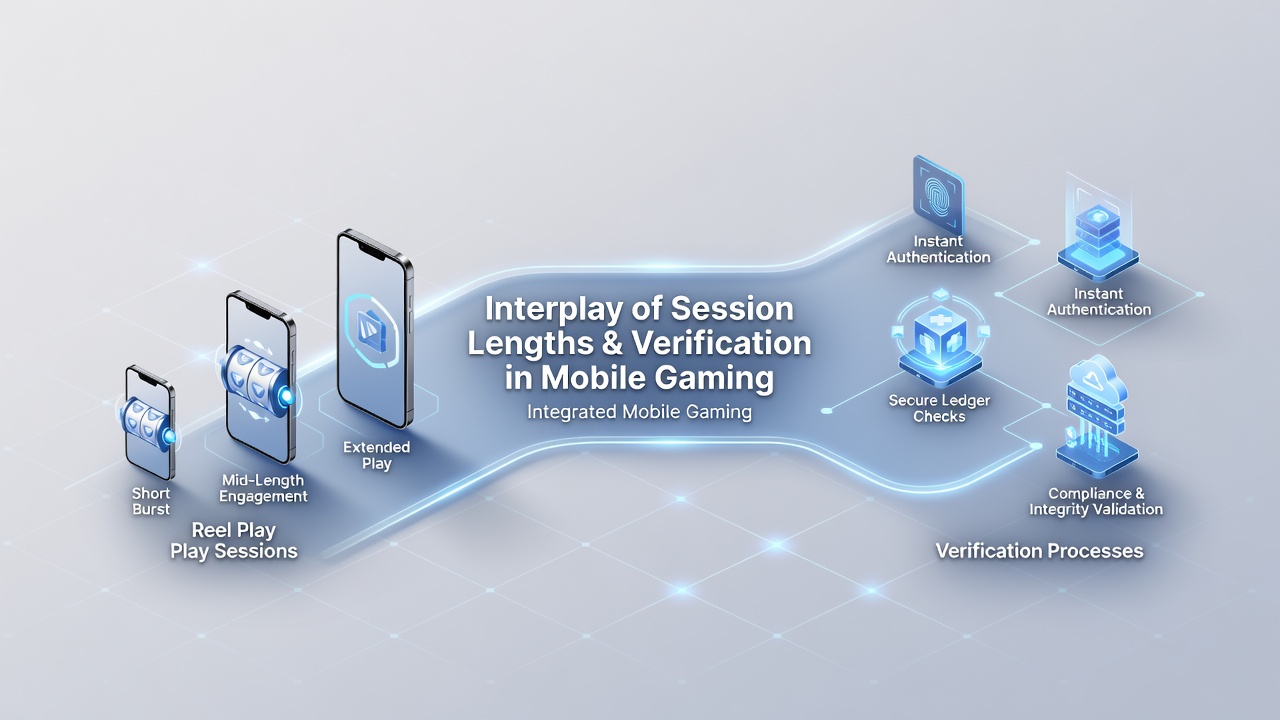
Payment verification integrates with session monitoring through APIs that flag unusual patterns such as rapid bet escalation or clustered high-value spins. When reel play extends past certain durations, the system initiates secondary checks that include source-of-funds documentation or device location validation, and these steps occur without interrupting the active session in most implementations. Observers note that seamless background processing maintains user continuity while satisfying regulatory requirements across multiple jurisdictions.
Correlations Between Play Length and Processing Speed
Evidence from operator dashboards shows that reel sessions averaging 35 minutes or more produce verification queues that prioritize speed for returning users who have completed prior checks, whereas first-time verifications during extended play require full document uploads that add 4 to 7 minutes to total processing time. The interplay becomes evident when users alternate between reel games and other platform features because accumulated session data influences the verification priority assigned by backend algorithms. Platforms adjust these priorities dynamically using machine learning models trained on historical session-verification pairs collected throughout 2025 and early 2026.
Studies compiled by the Canadian Gaming Association highlight regional variations where mobile environments in regulated provinces demonstrate faster verification turnaround for sessions under 15 minutes because fewer compliance triggers activate. Longer sessions still receive the same regulatory scrutiny yet benefit from cached verification data that reduces redundant steps. This pattern holds across multiple device types and operating systems, suggesting the correlation stems from session metrics rather than hardware differences.
Operational Adjustments by Platform Providers
Platform developers respond to observed interplay patterns by refining verification workflows that scale with session length indicators. Some implementations introduce progressive verification checkpoints at 10-minute intervals during reel play so that identity elements confirm gradually rather than in a single block at session end. This approach distributes processing load and reduces peak-time bottlenecks that occur when many users conclude extended sessions simultaneously. Data logs from July 2026 operations confirm that progressive models lowered average verification wait times by 18 percent compared with end-of-session batch processing.
Integration between reel telemetry and verification systems also allows operators to pre-stage documents for users whose session patterns indicate likely payout activity, and this pre-staging occurs through encrypted background channels that maintain privacy standards. The result is smoother transitions from active reel engagement to withdrawal requests without requiring users to repeat verification steps already completed during the session.
Conclusion
The documented relationships between reel session lengths and verification processing speeds continue to shape how integrated mobile platforms manage compliance and user flow. Metrics collected through mid-2026 illustrate consistent patterns where extended reel activity prompts layered verification while cached data from prior sessions accelerates subsequent checks. Regulatory reports and operator telemetry together provide the factual basis for ongoing refinements that align session monitoring with verification requirements across mobile environments.